
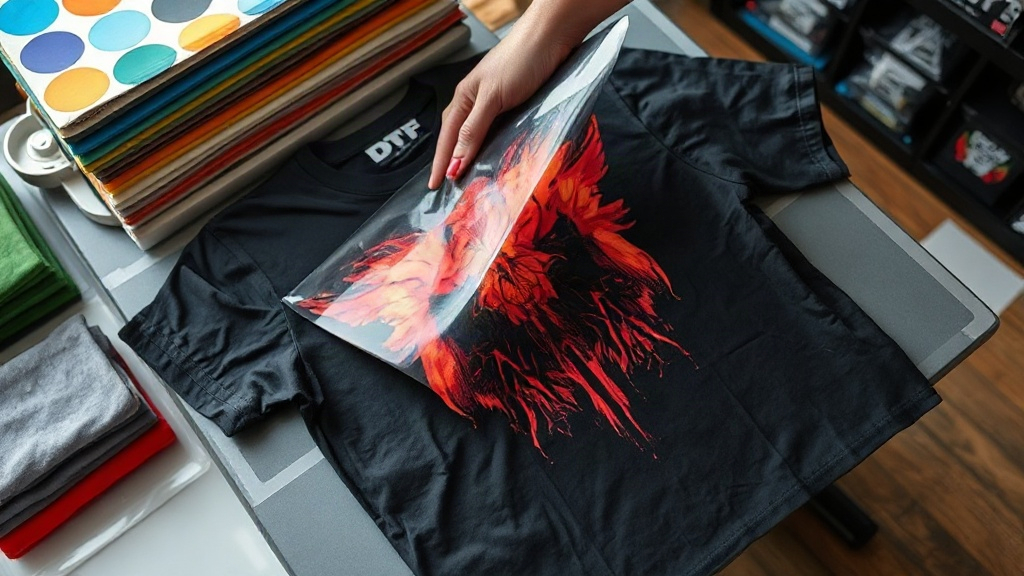
If you're in the custom apparel business or just starting out, you've probably heard about DTF (Direct to Film) printing. It's become a game-changer for creating vibrant, durable transfers without the need for expensive equipment or lengthy setup times. But when you search for "dtf transfers near me," you might be overwhelmed by the options. How do you know which supplier is worth your time and money? In this guide, I'll share what I've learned from years of ordering these transfers, the pitfalls to avoid, and the exact steps to find a local provider that delivers quality.
I remember my first order. I was excited to test a new design, but the transfer cracked after just a few washes. That was a costly lesson. Since then, I've refined my process and now I want to help you avoid the same mistake. Whether you're a hobbyist or scaling a business, choosing the right DTF supplier is crucial. Let's dive in.
Why DTF Transfers Are So Popular
Before we get into finding a supplier, let's quickly recap why DTF transfers have taken the apparel industry by storm. Unlike screen printing, which requires screens and setup for each color, DTF allows you to print full-color designs with no minimum quantities. The process involves printing on a special film, applying adhesive powder, and then heat-pressing the design onto fabric. It works on cotton, polyester, blends, and even tricky materials like nylon or leather. The result is a soft, stretchable print that doesn't crack or peel easily.
For small businesses and print-on-demand sellers, this flexibility is invaluable. You can test designs without committing to bulk orders, and you can offer a wider range of products. But the key to success lies in the quality of the DTF transfers you use. That's why finding a reputable supplier is the first step.
What to Look for in a DTF Transfer Supplier
When you search for "dtf transfers near me," you'll likely find a mix of large online companies and local print shops. Both have advantages, but here are the critical factors to evaluate:
Print Quality and Resolution
The whole point of DTF is high-quality prints. A good supplier uses high-resolution printers (at least 1440 dpi) and quality inks. Look for vibrant colors and sharp details. Ask for samples before placing a bulk order. A reputable supplier will happily send you a small test run. Check the white ink layer; it should be opaque and smooth, not grainy or thin.
Adhesive Powder Application
This is a step that many overlook. The adhesive powder is what bonds the design to the fabric. If it's applied unevenly, you'll get areas that don't stick or peel over time. The best suppliers use a consistent, fine powder that melts evenly. When you press a transfer, it should adhere firmly without needing excessive heat or pressure.
Film and Ink Quality
Not all films are created equal. The film should be easy to peel, but not so easy that it releases prematurely. Quality inks are water-based and eco-friendly. Cheaper inks might fade after a few washes or crack under stress. Ask about the brand of inks and films they use. If they're hesitant to share, that's a red flag.
Turnaround Time and Reliability
If you're running a business, deadlines are everything. A supplier that promises 24-48 hour turnaround but delivers in 5 days can ruin your customer relationships. Look for reviews or testimonials about their on-time delivery. Also, check their order cutoff times. Some local shops might have faster turnaround because they're in the same time zone.
Customer Service and Support
You want a supplier who is responsive and helpful. If you have questions about file setup or pressing instructions, they should be able to guide you. Good customer service also means they'll work with you on custom orders and provide advice on improving your prints.
How to Search for Local DTF Transfers
Now, let's get practical. How do you actually find the best "dtf transfers near me"? Here are some strategies that have worked for me:
Use Local Business Directories
Sites like Google Maps, Yelp, or even Facebook can help. Search for "DTF printing" or "DTF transfers" plus your city or region. Look for businesses with photos of their work. Check their ratings and read recent reviews. Pay attention to comments about print quality and turnaround.
Ask for Referrals
Join local Facebook groups for printmakers or small business owners. Ask for recommendations. People in these groups are usually happy to share their experiences. You can also attend local craft fairs or trade shows where you can see DTF prints in person and ask vendors who they use.
Visit the Shop in Person if Possible
If you find a candidate, try to visit their facility. Seeing the operation up close gives you a sense of their professionalism. You can examine their equipment, see samples, and talk directly with the team. This is a huge advantage of local suppliers over online only businesses.
Compare Pricing, but Don't Go Cheap
Price is important, but it shouldn't be your only factor. Very cheap DTF transfers often mean lower quality materials or rushed processes. Remember the old adage: you get what you pay for. I've seen transfers that are 30% cheaper but fail within a few washes. That ends up costing more in reprints and lost customers. Look for competitive pricing that aligns with market rates.
Questions to Ask Before Ordering
Once you've narrowed down your list, call or email them with these questions:
- What is your minimum order quantity?
- What is your typical turnaround time?
- Do you provide a proof or sample before production?
- What are your file requirements? (PDF, PNG, etc.)
- What is your resolution and color profile?
- Can you handle complex designs with gradients and fine details?
- What is your return policy for defective transfers?
- Do you offer discounts for bulk orders?
Their answers will reveal a lot. A professional supplier will have clear answers and might even educate you on the process. If they seem vague or dismissive, move on.
How to Test a New Supplier
Before committing to a large order, always run a test. Here's my step-by-step process:
- Order a small batch of transfers with different colors and designs, including one with fine text and one with gradients.
- Press them onto various fabrics: cotton, polyester, and a blend. Follow the recommended settings.
- Wash the samples multiple times according to care instructions. Look for any fading, cracking, or peeling.
- Stretch the fabric to see if the print flexes without breaking.
- Check the feel: the print should be soft, not like a thick sticker.
If the test passes, you've found a winner. If not, keep searching. This process has saved me from many bad orders.
Benefits of Working with a Local Supplier
Choosing a local supplier for your DTF transfers has distinct advantages:
Faster Shipping and Lower Costs
When the supplier is in your region, shipping is quicker and often free if you meet a minimum. You can also avoid international shipping delays or customs issues if you're not in the same country.
Easier Communication
Time zones align, so you can call during business hours. You might even be able to talk directly with the technician who runs the printer. This can lead to better customization and faster problem-solving.
Supporting the Local Economy
By choosing a local business, you're helping your community. They're more likely to re-invest and offer personalized service. Plus, you can build a long-term relationship that benefits both of you.
Opportunities for Collaboration
Local suppliers might offer additional services like printing your designs on garments or helping with bulk orders. You could even partner on projects that require both your skills.
Potential Drawbacks and How to Mitigate
Of course, local suppliers might have limitations. They might not have the capacity for huge orders, or their equipment might be older. Here's how to handle that:
- Ask about their production capacity. If they can't handle your volume, they might be able to recommend another local shop.
- Check if they use modern equipment. Older printers might not produce the same quality.
- If they're busy, they might have longer turnaround. Plan ahead for peak seasons.
It's also wise to have a backup supplier, even if it's online, in case your local one is overwhelmed or closes down.
Common Mistakes to Avoid When Ordering DTF Transfers
From my experience, these are the most common pitfalls:
- Ignoring the white ink layer: The white underbase is crucial for colors to pop. If it's too thin, colors appear washed out.
- Using low-resolution images: DTF can't magically fix a blurry logo. Always provide vector or high-res PNG files.
- Not testing on different fabrics: Fabric composition affects how the adhesive bonds. What works on cotton might not on polyester.
- Skipping the test wash: Always wash a sample before selling. You don't want a customer's first wash to ruin your reputation.
- Forgetting about storage: DTF transfers have a shelf life. Keep them in a cool, dry place and use them within 6 months for best results.
How to Get the Best Value from Your DTF Transfers
Once you've selected a reliable supplier, here are some tips to maximize your investment:
- Order in bulk: Most suppliers offer tiered pricing. If you have consistent designs, order larger quantities to save money.
- Group your designs: If you have multiple designs, combine them on one sheet to save on film and shipping.
- Optimize your files: Ensure your images are pre-sized to avoid extra charges for resizing.
- Press correctly: Follow the supplier's instructions for temperature and pressure. Too much heat can scorch the adhesive; too little won't bond.
- Care for your prints: Advise your customers to wash inside out in cold water and avoid tumble drying. This extends the life of the print.
The Future of DTF Printing
As technology advances, DTF is becoming even more accessible. We're seeing faster printers, lower costs, and improved materials. Some suppliers are now offering eco-friendly films and water-based inks that are better for the environment. This means the quality of DTF transfers will only get better. Staying ahead by finding a forward-thinking supplier will give you an edge.
Conclusion
Finding high-quality dtf transfers near me doesn't have to be a gamble. By knowing what to look for, asking the right questions, and testing samples, you can secure a supplier that helps your business thrive. Remember to prioritize quality over price, build a relationship, and always test before committing. Your customers will notice the difference, and your brand will shine.
I hope this guide has given you the confidence to start your search. If you have any questions or want to share your own experiences, feel free to reach out. Happy printing!
Frequently Asked Questions
How long do DTF transfers last?
With proper pressing and care, DTF transfers can last as long as the garment itself. They are designed to withstand multiple washes without fading or cracking. The key factors are the quality of the transfer and the care instructions you provide to your customers.
What is the minimum order for DTF transfers?
Minimums vary by supplier. Some local shops have no minimum, making them ideal for test orders or small runs. Others might require a minimum of 10 or 20 pieces. Always ask upfront so you can plan accordingly.
Can I use DTF transfers on dark shirts?
Yes, DTF is excellent for dark fabrics. The white ink layer acts as a base, making colors vibrant even on black or navy. However, you need to ensure the white layer is opaque enough. A good supplier will handle this automatically.
What is the difference between DTF and sublimation?
Sublimation requires polyester fabrics or special coatings, and it doesn't work on dark colors. DTF works on a wide range of materials, including cotton, and can be used on dark garments. DTF also offers a softer feel and better durability on natural fibers.
Do I need a heat press for DTF transfers?
Yes, you need a heat press to apply DTF transfers. A standard heat press with adjustable temperature and pressure is sufficient. Some people use a home iron, but it's not recommended as it won't provide even pressure and may damage the transfer.