
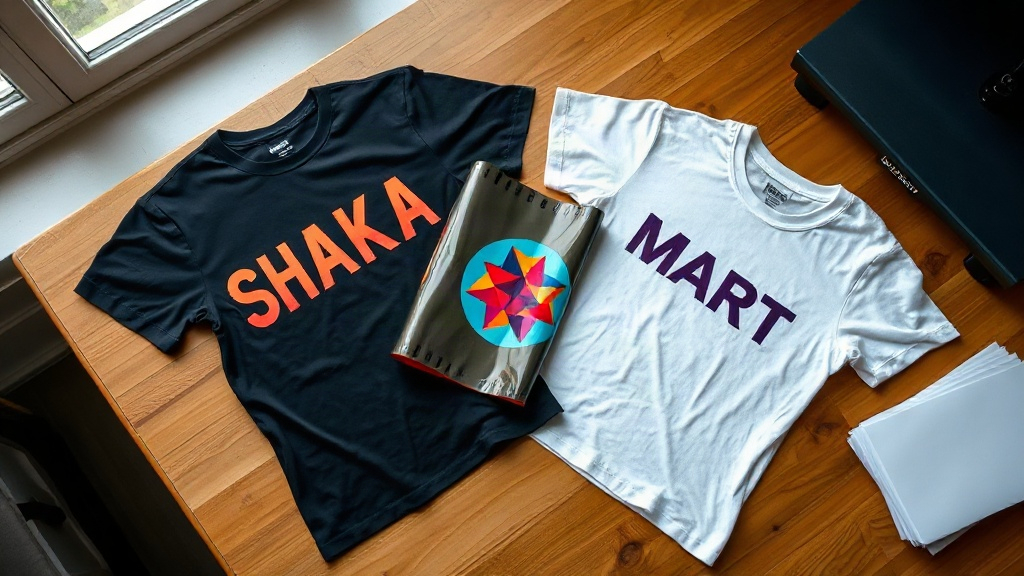
If you have ever tried to screen print on a tri-blend or a water-repellent jacket, you know the struggle: inks don't adhere, colors look dull, and cracks appear after a few washes. That's where DTF transfers change the game. DTF, or direct-to-film, is a digital printing method that transfers designs onto fabric using a special film and adhesive powder. Unlike DTG or screen printing, DTF works on almost any fabric, including the popular Shaka Wear tees and the versatile Smart Blanks collection. In this guide, we'll explore why DTF is a smart choice for these blanks, how to get the best results, and answer common questions from printers and apparel decorators.
Why DTF Transfers Work So Well on Shaka Wear and Smart Blanks
Shaka Wear is known for its heavyweight cotton tees, often 6.0 oz or more, with a tight knit that takes prints beautifully. Smart Blanks offers a range of affordable, soft styles, from ringspun cotton to poly blends. Both brands are popular among streetwear brands and promotional printers because they provide a great canvas at a fair price. But not all printing methods do them justice. DTF transfers shine because they don't require a perfectly flat, 100% cotton surface. The adhesive powder in DTF bonds to the fibers, whether they are cotton, polyester, or a blend. This means you can print on Shaka Wear's heavy cotton without worrying about the ink sitting on top and cracking, and you can print on Smart Blanks' poly blends without the dye migration issues that plague screen printing.
Another advantage: DTF transfers allow for fine details and gradients that screen printing struggles with. If you have a design with small text or photographic elements, DTF reproduces it with impressive clarity. And because you don't need separate screens for each color, short runs and one-offs become economical. For a shop that offers both Shaka Wear and Smart Blanks, DTF means you can say yes to more orders without overhauling your workflow.
Choosing the Right Blanks for DTF Printing
Not all blanks are created equal when it comes to DTF. Here's what to look for:
- Fabric content: DTF adheres to cotton, polyester, and blends. However, 100% polyester can be tricky because of dye migration, especially with dark colors. Smart Blanks offers poly-cotton blends that are more forgiving. Shaka Wear's 100% cotton tees are virtually foolproof.
- Weave and weight: Heavier fabrics like Shaka Wear's 6.0 oz tees provide a smooth surface that holds the transfer well. Lighter fabrics may require a lower temperature to avoid scorching.
- Color: DTF transfers include a white ink layer, so they show up on both light and dark garments. On dark Shaka Wear tees, the white base ensures vibrant colors. On light Smart Blanks, you can skip the white layer for a softer feel, but most printers include it for consistency.
- Washability: Both Shaka Wear and Smart Blanks are durable, but proper DTF application ensures the print survives dozens of washes. We'll cover that next.
How to Apply DTF Transfers for Best Results
Getting a professional finish with DTF transfers requires attention to temperature, pressure, and time. While every heat press is different, here are starting points that work well for Shaka Wear and Smart Blanks.
Temperature and Time
For cotton and blends, set your heat press to 325°F (160°C) and pre-press the garment for 5-10 seconds to remove moisture. Then, place the DTF transfer with the design facing up and press for 10-15 seconds with medium pressure. For polyester, lower the temperature to 300°F (150°C) to prevent dye migration and press for 10 seconds. Always check the transfer manufacturer's recommendations, as films vary.
Peel and Post-Press
DTF transfers are typically cold peel: wait until the film cools completely before peeling. This prevents the design from stretching or lifting. After peeling, cover the print with a Teflon sheet or parchment paper and press again for 5-10 seconds. This post-press ensures the adhesive fully cures and improves wash durability.
Pressure Matters
Too little pressure and the transfer won't adhere; too much and the design can spread or the fabric can scorch. Aim for medium pressure, about 4-6 on a 1-10 scale. If you're using a home iron, you'll need to apply firm pressure and be extra careful, but a heat press is strongly recommended for consistent results.
Common Pitfalls and How to Avoid Them
Even experienced printers run into issues. Here are some frequent problems and their solutions.
- Peeling after wash: Usually caused by insufficient pressure or incomplete post-press. Increase pressure and ensure the post-press step is not skipped.
- Cracking: Often due to overstretching the transfer when peeling it warm or pressing at too high a temperature. Always cold peel and follow temperature guidelines.
- Dull colors: If the white ink layer isn't opaque enough, colors can look muted on dark shirts. Choose high-quality DTF transfers with a double white layer, or print on lighter garments.
- Dye migration: On 100% polyester, dyes can bleed into the print during pressing. Use low-temperature transfers and pre-treat the garment with a dye blocker if necessary.
Why DTF Is a Game-Changer for Small Businesses
For small apparel brands and print shops, DTF transfers offer flexibility that traditional methods can't match. You can order transfers in small batches, store them for months, and press them on demand. This means no minimums, no wasted inventory, and the ability to offer a wide range of products. Whether you're printing on Shaka Wear's classic tees or Smart Blanks' trendy styles, DTF lets you deliver professional-quality custom apparel without a huge investment in equipment. Plus, the soft feel and vibrant colors keep customers coming back.
Frequently Asked Questions About DTF Transfers
Can I use DTF transfers on 100% polyester Shaka Wear shirts?
Yes, but you need to adjust your settings. Use a lower temperature (around 300°F) and a shorter press time to avoid dye migration. Also, consider using a poly-specific DTF transfer or a dye-blocking underlay. Shaka Wear does offer poly blends that are more forgiving, so if you're new to DTF, start with those.
How do DTF transfers compare to screen printing on Smart Blanks?
DTF transfers are more versatile for complex designs and small runs, while screen printing is more cost-effective for large orders of simple designs. On Smart Blanks, DTF gives you a soft hand and excellent detail without the setup costs. For one-off or personalized items, DTF is usually the better choice.
What is the wash durability of DTF transfers on Shaka Wear tees?
When applied correctly, DTF prints can last 50+ washes without significant fading or cracking. To maximize longevity, wash inside out in cold water and tumble dry low. Avoid bleach and fabric softeners, which can degrade the adhesive.
Do I need a special printer to make DTF transfers?
You can either buy ready-to-press DTF transfers from a supplier or invest in a DTF printer and powder shaker. For most small businesses, purchasing transfers is more cost-effective and requires less maintenance. If you print high volumes, a DTF printer can be a worthwhile investment.
Can I layer DTF transfers on Smart Blanks for a multi-color design?
Yes, you can layer DTF transfers, but it's tricky. Each layer adds thickness, and too many layers can feel rubbery. Instead, design your artwork with all colors in one transfer. If you must layer, press the first transfer, then the second on top, and post-press the entire design.