
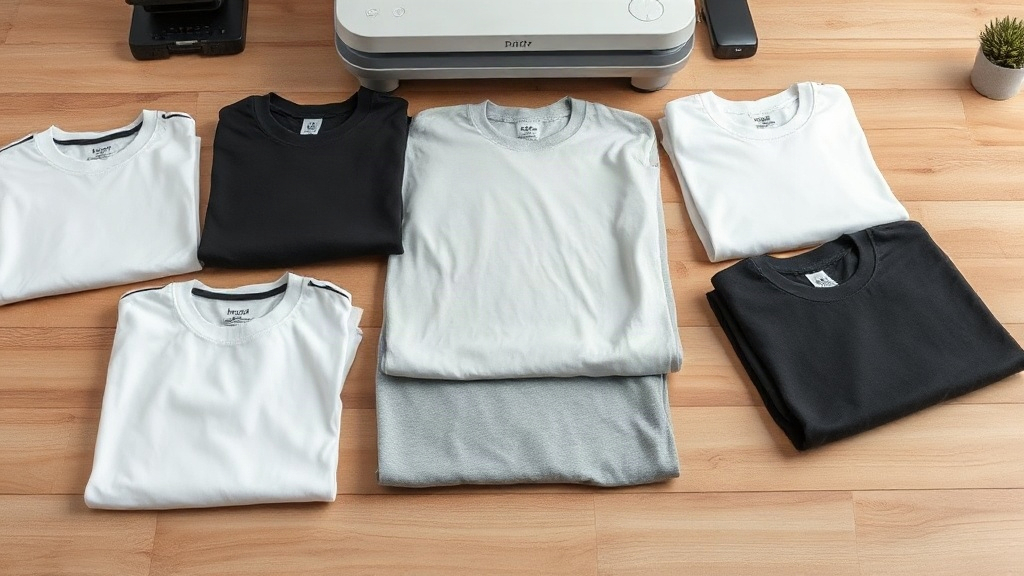
When it comes to DTF transfers, the quality of your blank garment can make or break the final result. You might have the perfect design, the best printer, and the right transfer film, but if your shirt isn't compatible, you'll end up with cracked, faded, or washed-out prints. That's why choosing smart blanks is critical. In this guide, we'll dive deep into what makes a blank smart for DTF, how to evaluate fabrics, and why brands like Shaka Wear are a go-to for professionals. Whether you're a seasoned decorator or just starting out, these insights will help you achieve retail-quality results every time.
What Are Smart Blanks and Why Do They Matter for DTF?
Smart blanks are garments specifically engineered or selected to work optimally with DTF (Direct-to-Film) transfer printing. Unlike traditional screen printing or DTG, DTF transfers adhere to the fabric using a heat press and a thermoplastic adhesive. The success of this bond depends heavily on the fabric's fiber content, weave, and finish. Smart blanks are those that have been tested and proven to accept DTF transfers with excellent adhesion, vibrant color reproduction, and long-lasting durability.
Why does this matter? Because not all blanks are created equal. A 100% cotton shirt from one brand might work perfectly, while another with a heavy softener or a tight weave could cause the transfer to peel. Smart blanks take the guesswork out of the equation, ensuring consistent results across your orders. They also save you money by reducing waste and reprints.
Key Factors to Evaluate in a Smart Blank for DTF Transfers
Before you commit to a blank, consider these critical factors:
Fabric Composition
The fiber content is the most important variable. DTF transfers work best on fabrics with a high cotton content or a cotton-poly blend. 100% cotton is ideal because it's porous and allows the adhesive to penetrate deeply. Cotton-poly blends (50/50 or 60/40) also perform well, but the polyester content can affect the vibrancy of colors. Avoid 100% polyester or fabrics with a high synthetic content, as the transfer may not adhere properly and can feel plastic-like.
Weave and Texture
The weave of the fabric affects how the transfer sits on the surface. A smooth, tight weave (like in ring-spun cotton) provides an even surface for the transfer, resulting in a crisp, detailed print. Looser weaves, such as those found in some budget blanks, can cause the transfer to sink into the fabric, leading to a dull or distorted image. Also, consider the texture: a shirt with a heavy slub or uneven texture can create air pockets under the transfer, causing peeling.
Weight and Thickness
The weight of the blank (measured in ounces per square yard) influences both comfort and print durability. Lightweight blanks (under 5 oz) are comfortable but may not hold up well to the heat press and can lead to transfer distortion. Midweight (5-6 oz) and heavyweight (6+ oz) blanks are more forgiving and provide a better surface for DTF. However, extremely heavy fabrics like fleece require special attention because the heat may not penetrate evenly.
Color and Dye Migration
Dye migration is a common issue with DTF, especially on polyester blends. When heat is applied, dyes from the fabric can sublimate into the transfer, causing discoloration. Smart blanks are typically those that have been dyed with migration-resistant dyes or have a protective layer. Light-colored blanks are less prone to this issue, but if you're printing on dark colors, always test first.
Pre-Treatment and Finishes
Some manufacturers apply finishes like softeners, stain repellents, or anti-wrinkle agents. These can interfere with adhesion. Smart blanks are usually those with minimal finishes, or they are pre-washed to remove residues. Always check with your supplier for recommendations.
Top Smart Blank Brands for DTF Transfers
Not all blanks are labeled as "smart," but certain brands have earned a reputation for DTF compatibility. Here are some standouts:
Shaka Wear
Shaka Wear has become a favorite among DTF printers for its consistent quality and fabric blends that accept transfers beautifully. Their heavyweight cotton tees, like the Shaka Wear SHMHSS, are made from 100% ring-spun cotton and have a tight weave that holds details well. The brand is known for its streetwear-inspired fits and durable construction. Many decorators report that Shaka Wear blanks require less pressure and lower temperatures, reducing the risk of scorching.
Next Level
Next Level Apparel offers a range of blanks that are popular for their softness and fit. Their 6210 (CVC) and 3600 (cotton) models are DTF-friendly, though the CVC blend may require a lower temperature to avoid dye migration. They are a good option for fashion-forward designs.
Bella+Canvas
Bella+Canvas is another top choice, particularly their 3001 (100% cotton) and 3413 (tri-blend). The 3001 is a workhorse for DTF, with a smooth surface and consistent dyeing. Tri-blends can be trickier due to the polyester content, but with proper settings, they yield a vintage look.
Gildan
Gildan's 5000 and 64000 are budget-friendly options that work well with DTF, especially the 100% cotton versions. They are heavier and may require more pressure, but they are widely available and cost-effective.
How to Test a Blank for DTF Compatibility
Before committing to a large order, always test a sample. Here's a simple procedure:
- Prepare the transfer: Print your design on DTF film according to your printer's settings.
- Pre-press the garment: This removes moisture and wrinkles. Use a heat press at 300°F for 5-10 seconds.
- Apply the transfer: Place the transfer on the garment and press at 325°F for 15-20 seconds with medium pressure.
- Peel: Wait for the transfer to cool completely (cold peel) or peel while hot (hot peel) depending on your film type. Most DTF films are cold peel.
- Stretch and wash test: After 24 hours, stretch the print and wash the garment according to care instructions. Check for cracking, peeling, or fading.
If the transfer adheres well and survives the wash test, you've found a smart blank.
Common Mistakes to Avoid with DTF Transfers on Blanks
Even with smart blanks, errors can happen. Watch out for these pitfalls:
- Insufficient pressure: DTF requires even, medium pressure. Too little pressure means the adhesive won't bond; too much can cause the transfer to spread.
- Wrong temperature: Each fabric has an ideal temperature range. Too high can scorch or cause dye migration; too low means poor adhesion.
- Ignoring fabric softeners: Some blanks come with a silicone finish that repels the adhesive. Pre-washing can help.
- Not pre-pressing: Moisture in the fabric turns to steam and creates bubbles under the transfer.
- Using the wrong film: Not all DTF films are equal. Choose a film that matches your fabric type and printer.
Maximizing Durability: Care Instructions for DTF-Printed Apparel
To ensure your DTF prints last, educate your customers on proper care:
- Wait 24 hours before washing.
- Turn the garment inside out.
- Machine wash cold, gentle cycle.
- Do not use bleach or fabric softener.
- Tumble dry low or hang dry.
- Iron inside out, avoiding the print area.
Following these steps can extend the life of the print significantly.
Frequently Asked Questions
What is the best fabric for DTF transfers?
100% cotton is generally the best, followed by cotton-poly blends with at least 50% cotton. These fabrics allow the adhesive to bond effectively and produce vibrant colors.
Can I use DTF transfers on 100% polyester?
It's possible but challenging. Polyester requires lower temperatures to avoid dye migration, and the transfer may not adhere as well. Always test first and use a low-temperature DTF film.
How do I prevent dye migration on dark polyester blanks?
Use a dye-blocking underlay or choose blanks that are dyed with migration-resistant dyes. Lower the press temperature and shorten the pressing time.
Are Shaka Wear blanks good for DTF?
Yes, Shaka Wear blanks are highly recommended for DTF due to their tight weave and high cotton content. They provide excellent adhesion and durability.
What pressure should I use for DTF on smart blanks?
Medium pressure is typically ideal. You want enough pressure to ensure even contact but not so much that the transfer squashes. Test with a sample to find the sweet spot.