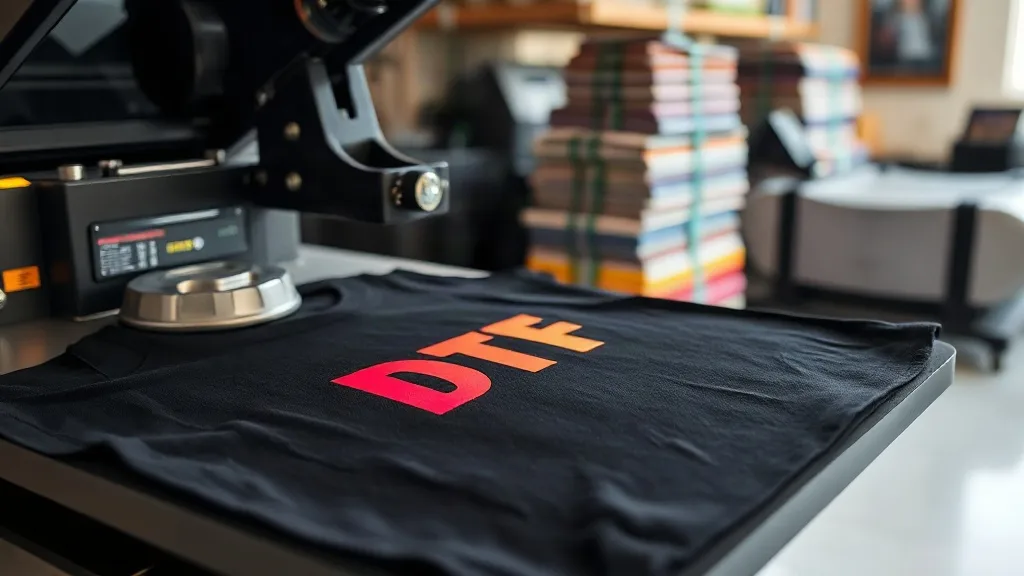
If you've been anywhere near the custom apparel scene lately, you've probably heard about dtf transfers. This printing method has exploded in popularity, and for good reason. It offers a level of versatility and durability that traditional methods struggle to match. Whether you're a hobbyist looking to personalize gifts or a small business owner aiming to expand your product line, understanding DTF technology can open up a world of possibilities. In this guide, we'll walk you through the essentials of dtf printing, from how it works to pro tips for flawless results.
What Are DTF Transfers?
DTF stands for Direct-to-Film. It's a printing process where your design is printed onto a special film, then coated with a powder adhesive, and finally heat-pressed onto fabric. Unlike DTG (Direct-to-Garment) printing, which requires the garment to be pre-treated and printed directly, DTF transfers are printed separately and can be applied to a wide range of materials, including cotton, polyester, blends, and even some non-textiles like canvas and leather.
The magic of DTF lies in its simplicity and flexibility. You don't need expensive specialized equipment; a decent inkjet printer, DTF ink, film, and a heat press are the core requirements. This makes it accessible for small shops and home-based businesses. Plus, because the design is transferred from a film, you can print and store transfers for later use, reducing waste and allowing on-demand production.
Why Choose DTF Transfers Over Other Methods?
You might be wondering how DTF compares to screen printing, vinyl, or DTG. Each has its place, but DTF shines in several key areas:
- Versatility: Works on almost any fabric, including dark colors and synthetic blends, without the need for special pre-treatment.
- Durability: When applied correctly, DTF prints resist cracking, fading, and peeling even after multiple washes.
- Detail and Color: DTF can reproduce intricate details and vibrant colors, including gradients and photographic images, with impressive accuracy.
- Cost-Effective for Small Runs: No setup costs like screen printing, making it ideal for one-offs or small batches.
- Speed: Once you have the design ready, printing and pressing can be done quickly, enabling fast turnaround.
For many, the ability to produce full-color, durable prints on demand without minimum order quantities is a game-changer. It's no surprise that dtf transfers have become a staple in the custom apparel industry.
How to Apply DTF Transfers: Step by Step
Getting a professional finish with DTF transfers requires attention to detail. Here's a step-by-step guide to help you achieve flawless results:
- Prepare Your Workspace: Ensure your heat press is on a stable surface and preheated to the recommended temperature (usually around 300°F to 325°F).
- Pre-Press the Garment: Give the garment a quick press for 5-10 seconds to remove moisture and wrinkles. This ensures the transfer adheres evenly.
- Position the Transfer: Place the DTF transfer on the garment with the printed side facing up. If your transfer has a carrier film, make sure it's on top.
- Press: Apply medium to firm pressure for 10-15 seconds. The exact time and temperature can vary based on your transfer supplier, so always check their recommendations.
- Peel: Wait a few seconds for the transfer to cool slightly, then peel the film off in a smooth, steady motion. Some transfers are hot-peel, others cold-peel; follow the instructions provided.
- Post-Press (Optional): For extra durability, you can cover the design with a Teflon sheet or parchment paper and press again for 5 seconds.
Practice on scrap fabric first to dial in your settings. Once you get the hang of it, you'll be able to produce consistent, high-quality prints every time.
Common Mistakes to Avoid with DTF Transfers
Even experienced crafters can run into issues. Here are some pitfalls to watch out for:
- Insufficient Pressure: If the pressure is too light, the transfer won't adhere properly, leading to peeling. Make sure your press is calibrated.
- Wrong Temperature: Too hot and you might scorch the fabric or melt the film; too cold and the adhesive won't activate. Use a temperature gun to verify.
- Not Pre-Pressing: Skipping the pre-press can trap moisture, causing bubbles or poor adhesion.
- Peeling Too Early or Too Late: Follow the peel instructions for your specific transfer. Peeling too soon can stretch the design; too late can make it difficult to remove.
- Ignoring Fabric Type: While DTF works on many fabrics, some delicate materials may require lower temperatures. Always test first.
By avoiding these common errors, you'll save time and materials, and your customers will thank you for the quality.
Finding DTF Transfers Near You
If you're not ready to dive into printing yourself, you can always order pre-made transfers. A quick search for dtf transfers near me will show local suppliers who can provide high-quality transfers ready to press. Supporting local businesses often means faster turnaround and personalized service. Plus, you can build a relationship with your supplier for ongoing needs.
When choosing a supplier, look for clear instructions, consistent quality, and good customer reviews. Many suppliers offer sample packs so you can test before committing to a larger order.
DTF Transfers for Business: Scaling Up
For small businesses, DTF can be a scalable solution. You can start with a single printer and heat press, then expand as demand grows. The ability to print transfers in advance and store them means you can fulfill orders quickly without waiting for prints to dry or pre-treat garments. This efficiency can give you a competitive edge.
Consider offering custom apparel on your website or at local markets. With DTF, you can take orders and produce them on demand, reducing inventory risk. Many successful entrepreneurs have built thriving businesses around DTF printing because of its low barrier to entry and high-quality output.
Frequently Asked Questions About DTF Transfers
How long do DTF transfers last?
With proper application and care, DTF transfers can last as long as the garment itself. They resist cracking and fading through many wash cycles. To maximize longevity, wash inside out in cold water and avoid harsh detergents.
Can I use DTF transfers on dark colors?
Absolutely. DTF transfers include a white ink layer that makes colors pop on dark fabrics. This is one of the key advantages over other methods that require a white underbase.
Do I need a special printer for DTF?
You can use a modified inkjet printer with DTF ink, or purchase a dedicated DTF printer. Many beginners start with a converted Epson printer, but dedicated models offer better reliability and speed as you scale.
What fabrics work best with DTF?
DTF works well on cotton, polyester, blends, and even some non-wovens. It's not recommended for fabrics with special coatings or those that can't withstand heat.
How do I store DTF transfers?
Store unused transfers in a cool, dry place away from direct sunlight. Keep them flat to avoid creasing. Properly stored transfers can last for months.
DTF transfers have revolutionized the custom apparel industry by making high-quality, full-color printing accessible to everyone. Whether you're a DIY enthusiast or a business owner, mastering DTF can unlock new creative and commercial opportunities. With the right knowledge and a bit of practice, you'll be producing professional-grade prints in no time.