
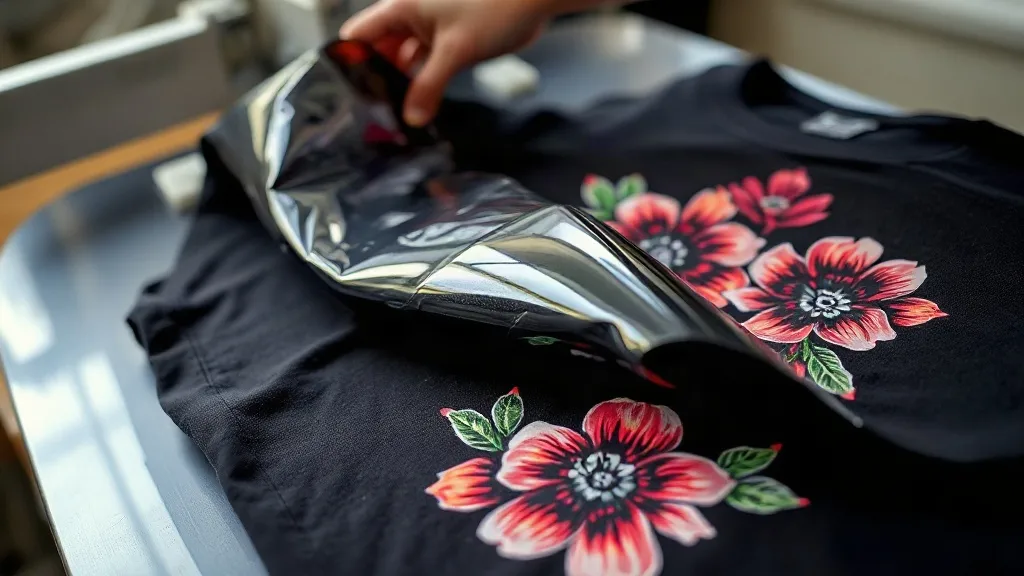
If you've been in the custom apparel game for any length of time, you've likely heard the buzz around dtf transfers. This printing method has taken the industry by storm, and for good reason. Unlike traditional screen printing or vinyl, DTF (Direct to Film) offers a unique combination of vibrancy, durability, and versatility that appeals to both hobbyists and professionals. Whether you're running a small print shop or just starting to explore garment decoration, understanding DTF can open up a world of possibilities.
In this guide, we'll break down everything you need to know about DTF transfers, from the basic process to practical tips for getting the best results. We'll also touch on why dtf has become a go-to solution for printing on difficult fabrics and how you can incorporate it into your workflow.
What Are DTF Transfers?
DTF stands for Direct to Film. The process involves printing a design onto a special film using a DTF printer, then applying a powder adhesive to the wet ink. Once the powder is cured, the film is ready to be heat-pressed onto a garment. The result is a soft, stretchable print that bonds permanently to the fabric.
What sets DTF apart is its ability to print on a wide range of materials, including cotton, polyester, blends, and even nylon. This flexibility makes it a favorite for printing on items that are notoriously difficult for other methods, like polyester jerseys or canvas bags.
The DTF Printing Process Step by Step
Here's a quick overview of how DTF transfers are made:
- Design Preparation: Your artwork is prepared digitally, with colors separated and mirrored if necessary.
- Printing: A DTF printer lays down a layer of white ink followed by CMYK inks onto a PET film. The white ink acts as a base to make colors pop on dark fabrics.
- Powder Application: While the ink is still wet, a hot-melt adhesive powder is applied evenly over the design.
- Curing: The film is heated to melt the powder, creating a dry, tacky surface that will bond to fabric.
- Transfer: The film is placed on the garment and heat-pressed, melting the adhesive and fusing the ink to the fabric.
Once you have a cured DTF transfer, you can store it for later use or apply it immediately. This makes DTF ideal for on-demand printing and small batch orders.
Why Choose DTF Transfers?
There are several reasons why DTF has gained such a strong following. Let's explore the key benefits.
1. Unmatched Versatility
DTF works on almost any fabric, including those that are heat-sensitive or have a high polyester content. You can print on dark colors without worrying about the design getting lost, thanks to the white ink base. This opens up opportunities to decorate items like performance wear, tote bags, and even leather.
2. Vibrant, Detailed Prints
DTF printers can produce high-resolution images with fine details and smooth gradients. The colors are bright and opaque, and the prints have a soft hand feel that doesn't crack or peel over time. Unlike vinyl, DTF doesn't require weeding, which saves time and reduces waste.
3. Cost-Effective for Short Runs
Screen printing requires setup costs for each color, making short runs expensive. DTF has no minimum order quantity and no per-color setup fees, so it's perfect for one-off custom pieces or small batches. You can print a single transfer or hundreds with the same ease.
4. Durable and Wash-Resistant
When applied correctly, DTF prints are extremely durable. They can withstand repeated washing without fading or cracking. The adhesive bonds firmly to the fabric, so the print stretches with the garment without losing its shape.
How to Apply DTF Transfers
Applying a DTF transfer is straightforward, but following the right steps ensures a professional finish. Here's a step-by-step guide:
- Preheat the Garment: Press the garment for a few seconds to remove moisture and wrinkles. This helps the transfer adhere properly.
- Position the Transfer: Place the DTF film on the garment with the printed side facing up. If your design has a white base, the film should be placed with the ink side down? Wait, let's clarify: For DTF, the film is placed with the printed side facing up? Actually, the printed side (with the adhesive powder) goes against the fabric. So the film is placed with the ink side down? No, the film has the design printed on one side; the powder is applied to that same side. So you place the film with the powder side against the fabric, which means the design is facing up? I need to be careful here.
Let's correct that: The DTF transfer film has the design printed on one side, and the adhesive powder is applied to that wet ink. So the powder is on the same side as the ink. When applying, you place the film with the powder side (the printed side) against the fabric. The clear film backing is on top. So the film is placed with the printed side down onto the garment. Then you press. After pressing and cooling, you peel the film away, leaving the design on the fabric.
Here's the proper sequence:
- Preheat the Garment: Press for 5-10 seconds to remove moisture.
- Place the Transfer: Position the DTF film with the printed side (powder side) facing down onto the garment.
- Press: Use a heat press at 300-325°F (150-160°C) for 10-15 seconds with medium pressure.
- Peel: Wait a few seconds for it to cool slightly, then peel the film off smoothly. For a matte finish, peel while hot; for a glossy finish, peel when cold.
- Post-Press: Cover with a Teflon sheet or parchment paper and press again for 5 seconds to ensure the print is fully embedded.
Always follow the specific instructions provided with your DTF transfers, as different films and powders may require slight adjustments.
Common Challenges and How to Overcome Them
Even though DTF is relatively easy, beginners might encounter a few hiccups. Here are some common issues and solutions:
- Incomplete Transfer: If parts of the design don't stick, it could be due to insufficient pressure or uneven surface. Make sure your heat press is level and apply firm, even pressure.
- Cracking After Washing: This usually happens if the transfer wasn't pressed long enough or at the right temperature. Double-check your settings and ensure the adhesive is fully melted.
- Color Fading: Using low-quality ink or washing with harsh chemicals can cause fading. Use recommended inks and turn garments inside out before washing.
With a bit of practice, you'll be able to troubleshoot these issues quickly and achieve consistent results.
Finding DTF Transfers Near You
If you're looking to try DTF without investing in a printer, you can order pre-printed transfers from specialized suppliers. When searching for dtf transfers near me, consider factors like turnaround time, print quality, and minimum order quantities. Many suppliers offer online ordering with fast shipping, so you can get high-quality transfers delivered to your door.
For businesses, partnering with a reliable DTF transfer supplier can expand your product offerings without the overhead of equipment. You can focus on design and customer service while leaving the printing to the experts.
DTF vs. Other Printing Methods
How does DTF stack up against screen printing, DTG, and vinyl? Here's a quick comparison:
- Screen Printing: Better for large orders of simple designs, but DTF wins for complex, multi-color designs and small batches.
- DTG (Direct to Garment): DTG requires pre-treatment and works best on 100% cotton. DTF is more versatile and often has a softer feel.
- Vinyl: Vinyl is limited to simple shapes and colors, while DTF can handle full-color photographs and gradients.
Each method has its place, but DTF's flexibility makes it a valuable addition to any print shop's arsenal.
Frequently Asked Questions
Can I use DTF transfers on dark shirts?
Absolutely. DTF transfers include a white ink layer that acts as a base, so colors remain vibrant even on black or dark-colored fabrics. This is one of the key advantages of DTF over other methods.
How long do DTF transfers last?
With proper application and care, DTF prints can last as long as the garment itself. They are resistant to cracking, peeling, and fading, even after multiple washes. Always follow washing instructions to maximize longevity.
Do I need a special printer for DTF?
Yes, DTF requires a dedicated DTF printer that uses DTF inks and film. However, if you don't want to invest in equipment, you can order pre-printed transfers from suppliers and apply them with a standard heat press.
What is the best temperature for pressing DTF transfers?
Most DTF transfers are pressed at 300-325°F (150-160°C) for 10-15 seconds. However, always check the instructions from your transfer supplier, as recommendations may vary slightly.
Can DTF transfers be used on polyester?
Yes, DTF works well on polyester and polyester blends. In fact, it's often preferred for synthetic fabrics because it doesn't require the high temperatures that can damage some materials.
DTF transfers have truly democratized custom apparel printing. Whether you're a DIY enthusiast or a growing business, this technology offers a cost-effective way to produce high-quality, durable prints on almost any fabric. With the tips and insights shared here, you're well-equipped to dive into the world of DTF and start creating stunning garments that stand out.