
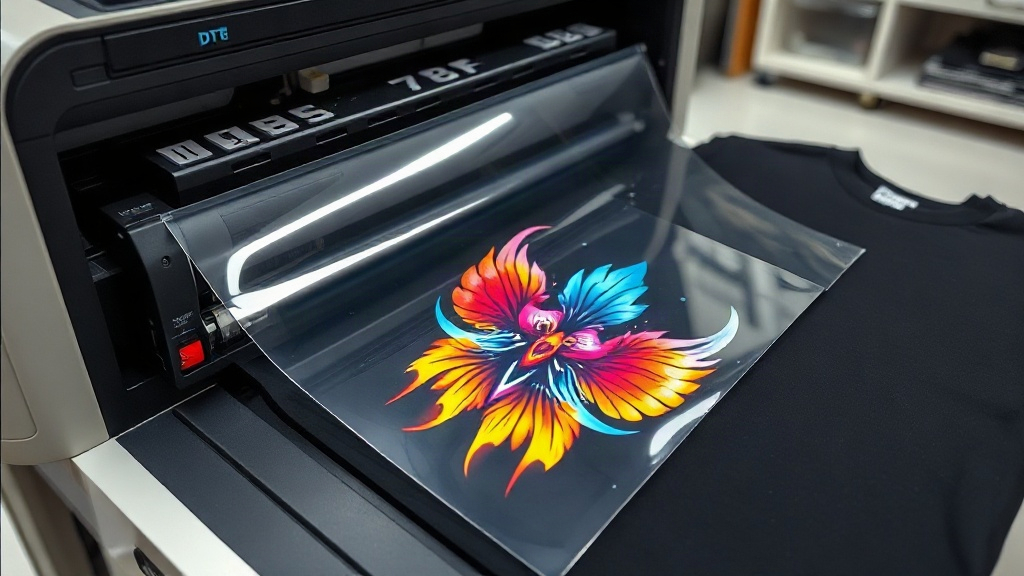
When you first hear about DTF printing, it might sound like just another industry acronym. But for anyone in custom apparel, it's a game-changer. DTF, or Direct to Film, is a printing method that transfers designs onto fabric using a special film and adhesive powder. Unlike older techniques, it works on almost any fabric and produces vibrant, durable results. In this guide, I'll walk you through the entire process, share insights from my own experience, and help you avoid common pitfalls. Whether you're a small business owner or a hobbyist, understanding DTF can elevate your custom clothing game.
What Exactly Is DTF Printing?
DTF printing stands for Direct to Film. The process involves printing your design onto a special PET film using a DTF printer. The design is printed with water-based inks, and then a hot-melt adhesive powder is applied to the wet ink. After shaking off the excess powder, the film is cured in an oven or with a heat press. Once cured, the transfer is ready to be applied to fabric using a heat press. The adhesive melts and bonds the ink to the fabric, creating a strong, flexible bond. This method is different from DTG (Direct to Garment) because it doesn't print directly onto the fabric; instead, it uses a film intermediary, which allows for more versatility in fabrics and colors.
Why Choose DTF Over Other Printing Methods?
There are several reasons DTF has gained popularity. First, it works on a wide range of fabrics: cotton, polyester, blends, and even leather. Unlike DTG, which requires pre-treatment and works best on 100% cotton, DTF adheres well to synthetic materials. Second, DTF prints are highly durable. The adhesive powder creates a strong bond that withstands repeated washing without cracking or fading. Third, DTF allows for intricate details and vibrant colors because the design is printed on film first, so you can achieve high-resolution images with fine lines. Fourth, it's cost-effective for small batches because you don't need screens or plates. Finally, DTF transfers can be stored and used later, making them convenient for on-demand production.
Step-by-Step DTF Printing Process
Understanding each step is key to getting professional results. Here's how it works:
- Design Preparation: Create your artwork using graphic software. Remember to mirror the image horizontally because the transfer will be flipped when pressed. Ensure your design is sized correctly for the garment.
- Printing: Load the PET film into your DTF printer. The printer lays down a layer of white ink first (if needed for opacity), followed by the colored inks. Some printers have a separate channel for white ink to ensure bright colors on dark fabrics.
- Powder Application: While the ink is still wet, sprinkle the hot-melt adhesive powder evenly over the design. Then shake off the excess. You can use a powder shaker for efficiency.
- Curing: Place the film in a curing oven or under a heat press at around 320°F (160°C) for a few minutes. The powder melts and becomes clear, indicating it's cured. Be careful not to over-cure, as it can make the transfer brittle.
- Pressing: Set your heat press to the recommended temperature (usually 300-320°F) and pressure. Place the transfer on the garment, cover with a protective sheet, and press for 10-15 seconds. Then peel the film off while it's still warm (warm peel) or after it cools (cold peel), depending on the film type.
Each step requires attention to detail. For instance, if you don't apply enough powder, the transfer won't adhere properly. If you over-cure, the design might crack. I learned this the hard way when I first started: my transfers peeled off after a few washes because I skimped on powder. Now I always use a scale to measure powder accurately.
Common Challenges and How to Overcome Them
Even with a solid process, issues can arise. Here are some common problems and their solutions:
- Transfer not sticking: This often happens if the powder is insufficient or the press temperature is too low. Ensure you apply enough powder and check your heat press calibration. Also, make sure the fabric is clean and dry.
- Cracking or fading: This can result from over-curing or using too high heat during pressing. Follow the manufacturer's recommendations for time and temperature. Also, use a quality powder and film.
- Color bleeding: If the ink bleeds, it might be due to too much ink or improper drying. Adjust your printer settings and ensure the film is compatible with your inks.
- Film curling: High humidity can cause the film to curl. Store film in a cool, dry place and use a dehumidifier if needed.
Another challenge is achieving consistent results across different fabrics. For example, on stretchy fabrics like spandex, you need a transfer that can stretch with the fabric. Using a flexible powder and pressing at a lower temperature can help. I always test on a scrap piece before pressing the final garment.
DTF vs. Other Printing Methods: A Quick Comparison
To help you decide if DTF is right for you, here's a comparison with other popular methods:
- DTF vs. DTG: DTG prints directly onto the fabric, which limits it mostly to cotton. DTF works on more fabrics and produces more durable prints. However, DTG can be more cost-effective for large runs on cotton.
- DTF vs. Screen Printing: Screen printing is great for bulk orders with few colors, but it requires setup and is not cost-effective for small batches. DTF excels in small batches and full-color designs.
- DTF vs. Vinyl: Vinyl is limited to simple designs and can feel heavy. DTF allows complex, multi-color designs with a softer feel.
Each method has its place, but DTF's versatility makes it a strong contender for many projects.
Tips for Long-Lasting DTF Prints
To ensure your DTF prints last, follow these best practices:
- Wash inside out: Turn the garment inside out before washing to protect the print from friction.
- Use cold water: Hot water can weaken the adhesive. Wash in cold or warm water.
- Avoid harsh detergents: Use mild detergent and avoid bleach and fabric softeners.
- Dry on low heat: High heat in the dryer can cause cracking. Air dry if possible.
- Iron with care: If you must iron, do it inside out or use a pressing cloth. Never iron directly on the print.
Following these tips can extend the life of your prints significantly. I've had DTF shirts that lasted over 50 washes without fading, simply by following these guidelines.
Frequently Asked Questions About DTF Printing
What fabrics can I use with DTF printing?
DTF works on a wide range of fabrics, including cotton, polyester, blends, leather, and even some synthetic materials. It's particularly useful for fabrics that are difficult to print on with other methods, such as nylon or spandex. However, for best results, always test on a small area first.
How durable are DTF prints?
When properly applied, DTF prints are very durable. They can withstand repeated washing without cracking, peeling, or fading. The key is to follow the correct curing and pressing parameters and to care for the garment as recommended.
Do I need a special printer for DTF?
Yes, you need a DTF printer that uses DTF inks and has a white ink channel. You also need a heat press and a curing oven or heat gun. While the initial investment can be significant, it pays off if you do a lot of custom printing.
Can I use DTF on dark garments?
Absolutely. DTF is excellent for dark garments because the white ink layer provides a bright base for the colors. You can achieve vibrant, opaque designs on black or navy shirts without the need for a separate white underbase.
How do I store DTF transfers?
Store unused transfers in a cool, dry place, away from direct sunlight. Keep them flat or rolled, not folded, to prevent creases. Properly stored transfers can last for several months.
Final Thoughts
DTF printing has revolutionized custom apparel by offering versatility, durability, and vibrant colors. By understanding the process and following best practices, you can achieve professional results that impress your customers. Whether you're just starting or looking to expand your services, DTF is a valuable addition to your toolkit. Remember, practice makes perfect, so don't be discouraged by initial challenges. With time, you'll master the art of DTF printing and open up new possibilities for your business.