
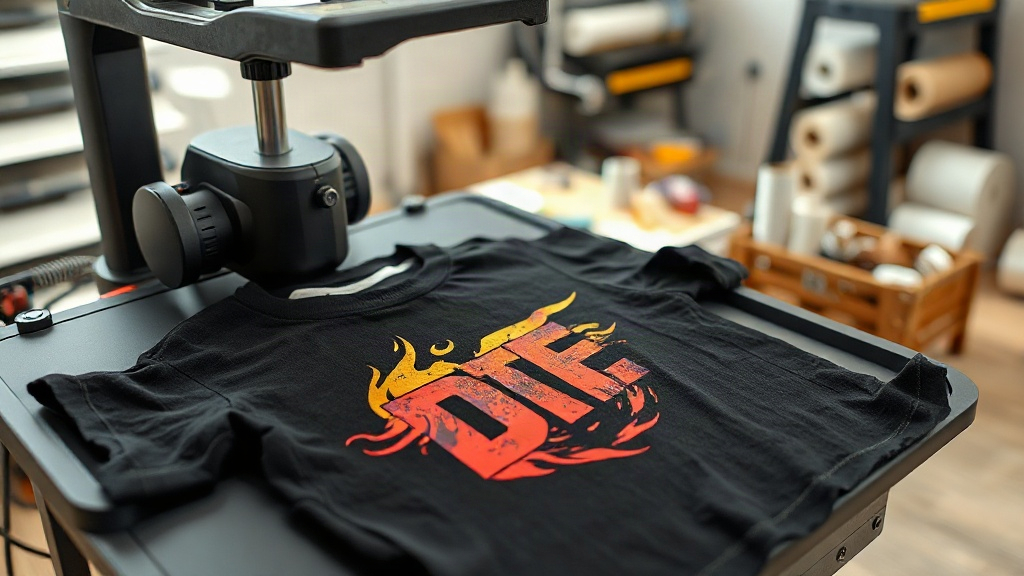
If you've been in the custom apparel game for more than five minutes, you've probably heard the buzz about DTF Transfers. Maybe you're curious but haven't taken the plunge, or you've tried them and ended up with cracked, faded prints. Either way, you're in the right place. This guide will walk you through exactly what DTF transfers are, why they're taking over the industry, and how to use them like a pro. No fluff, just practical advice you can apply today.
What Are DTF Transfers?
DTF stands for Direct to Film. It's a printing method where your design is printed onto a special PET film using water-based inks, then coated with a thermoplastic polyurethane (TPU) powder. When heat-pressed, the powder melts and bonds the ink to the fabric. The result? A vibrant, stretchable print that feels soft and holds up wash after wash. Unlike DTG (Direct to Garment), which prints directly onto the shirt, DTF transfers let you print first, then apply to almost any material. That opens up a world of possibilities beyond cotton.
Why DTF Transfers Are a Game-Changer
Let's break down why so many shops are switching to DTF. First, versatility. You can apply DTF transfers to cotton, polyester, blends, nylon, leather, and even treated glass or metal. That means you can offer custom prints on items you might have turned down before. Second, no weeding. Forget the tedious process of cutting and peeling vinyl. With DTF, you print, powder, cure, and press. Third, durability. When done correctly, DTF prints resist cracking, peeling, and fading far better than many other methods. And fourth, cost-effectiveness. You don't need a dedicated DTG printer or a warehouse of vinyl colors. One printer and a heat press cover most jobs.
How to Apply DTF Transfers for Flawless Results
Getting a perfect DTF transfer isn't rocket science, but it does require attention to detail. Follow these steps to avoid common pitfalls.
Step 1: Prepare Your Fabric
Start with a clean, lint-free garment. Any dust, fibers, or wrinkles will show up in the final print. Pre-press the shirt for a few seconds to remove moisture and wrinkles. This also helps the transfer adhere evenly. If you're working with dark fabrics, a quick press ensures the surface is smooth.
Step 2: Set Your Heat Press Correctly
Temperature, pressure, and time are your three levers. For most DTF transfers, aim for 300°F to 325°F (150°C to 160°C). Pressure should be medium to firm, around 4-6 on a 1-10 scale. Time varies from 10 to 20 seconds depending on the film and fabric. Always check the instructions from your transfer supplier. Too hot and you'll scorch the film; too cold and the powder won't fully melt.
Step 3: Position and Press
Place the transfer face down on the garment. If you're using a film with a sticky backing, it will stay in place. Otherwise, use heat tape to secure it. Press for the recommended time, then let it cool completely before peeling. This is crucial for DTF: hot peel can cause the design to stretch or smear. Wait until it's cool to the touch, then peel the film away in one smooth motion.
Step 4: Post-Press for Extra Durability
After peeling, cover the print with a Teflon sheet or parchment paper and press again for 5-10 seconds. This second press ensures the TPU powder fully cures and bonds with the fabric, boosting wash resistance. It's a small step that makes a big difference.
Common Mistakes to Avoid with DTF Transfers
Even seasoned pros slip up sometimes. Here are the most frequent issues and how to fix them.
- Insufficient pressure: If the transfer doesn't stick, increase pressure. You want the powder to penetrate the fabric fibers.
- Wrong peel temperature: DTF transfers are typically cold peel. Peeling too early leads to jagged edges or missing chunks.
- Over-stretching: When peeling, don't yank the film. Peel slowly and steadily at a low angle.
- Ignoring fabric type: Some fabrics like nylon require lower temperatures. Always test on a scrap piece first.
- Poor storage: Keep unused transfers in a cool, dry place away from direct sunlight. Moisture can ruin the powder.
DTF vs. Other Printing Methods
How does DTF stack up against DTG, screen printing, and vinyl? Let's compare.
- DTG: Best for 100% cotton, but prints can fade and feel stiff on dark shirts. DTF works on more fabrics and produces brighter colors on darks.
- Screen Printing: Cost-effective for large orders, but setup is time-consuming and expensive for small runs. DTF shines for one-offs and small batches.
- Vinyl: Limited to simple designs and solid colors. DTF handles full-color, photographic prints with gradients.
If you need flexibility and speed without sacrificing quality, DTF transfers are hard to beat.
Choosing the Right DTF Transfer Supplier
Not all DTF transfers are created equal. The quality of the film, ink, and powder varies widely. When sourcing, look for suppliers who use high-grade TPU powder and vibrant inks. Check reviews for color accuracy and durability. At DTF Pro Express, we've perfected our process to deliver transfers that consistently exceed expectations. Whether you're a hobbyist or a high-volume shop, the right supplier makes all the difference.
Frequently Asked Questions About DTF Transfers
Can I use DTF transfers on 100% polyester?
Absolutely. DTF transfers adhere well to polyester, but you'll need to adjust your temperature. Polyester can scorch at high heat, so lower the press to around 280°F-300°F and use light pressure. Always test a small area first.
How long do DTF prints last?
With proper application and care, DTF prints can last 50+ washes without significant fading or cracking. Wash inside out in cold water and avoid bleach. Tumble dry low or hang dry.
Do I need a special printer for DTF transfers?
Yes, you need a DTF printer that uses DTF inks and film. However, if you're not ready to invest, you can buy pre-printed transfers from a supplier and just use a heat press. That's a great way to get started.
What is the best way to store DTF transfers?
Keep them in a sealed bag or container in a cool, dry place. Avoid humidity and direct sunlight. Properly stored, transfers can last for months.
Can I layer DTF transfers?
Yes, you can layer DTF transfers for multi-color designs. Press the first layer, cool, peel, then press the second layer on top. Use a Teflon sheet between layers to protect the print.
DTF transfers have revolutionized custom apparel, and with these tips, you're ready to dive in. Experiment, practice, and don't be afraid to make mistakes. That's how you learn. And when you're ready for premium transfers that make you look like a pro, DTF Pro Express has your back.