
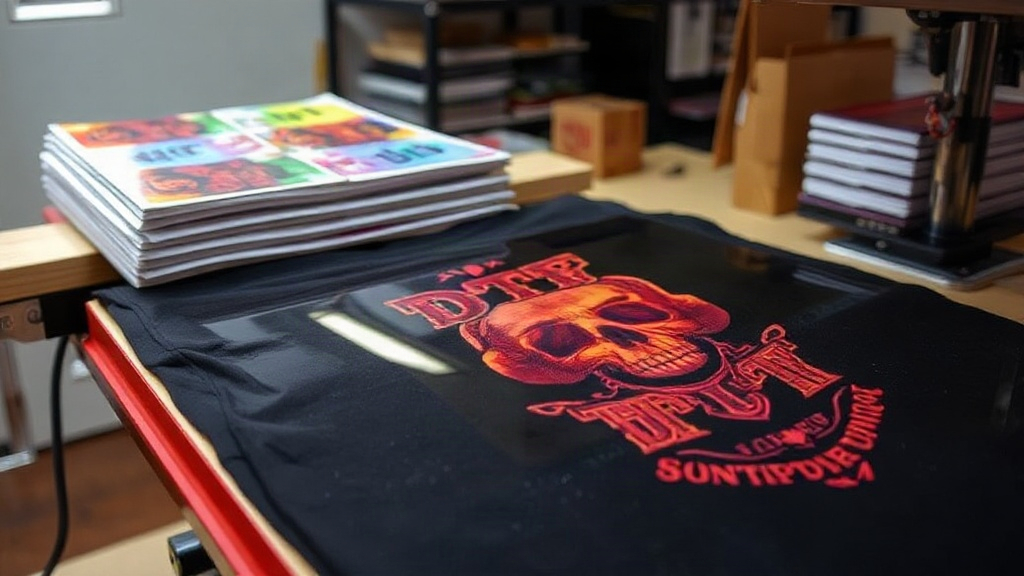
If you've been in the custom apparel game for any length of time, you've likely heard the buzz about DTF Transfers. Maybe you're curious about what they are, how they compare to other decoration methods, or whether they're worth the hype. As someone who has spent years working with various printing techniques, I can tell you that DTF transfers have revolutionized the way we approach garment decoration. In this guide, I'll share everything you need to know to decide if DTF is right for your business or project.
What Are DTF Transfers?
DTF stands for Direct-to-Film. It's a printing technology where your design is printed onto a special film, coated with a heat-activated adhesive powder, and then transferred onto fabric using a heat press. Unlike DTG (Direct-to-Garment) printing, which prints directly onto the garment, DTF transfers allow you to print on a wide range of fabrics, including cotton, polyester, blends, and even nylon. The result is a vibrant, durable print that can stretch and move with the fabric without cracking or fading.
Why Choose DTF Transfers Over Other Methods?
There are several reasons why DTF transfers have become a go-to solution for many apparel decorators. Let's break down the key advantages.
1. Unmatched Versatility
One of the biggest pain points with traditional methods like screen printing or vinyl is the limitation on fabric types. Screen printing works best on cotton, while vinyl can be tricky on stretchy or synthetic materials. DTF transfers, however, adhere beautifully to almost any fabric. Whether you're working with 100% cotton t-shirts, polyester performance wear, or even canvas bags, DTF has you covered. This versatility means you can offer a wider range of products to your customers without investing in multiple printing setups.
2. Exceptional Durability
I've tested DTF transfers on garments that have been washed dozens of times, and the prints still look as vibrant as the day they were applied. The key lies in the adhesive powder and the quality of the film. When applied correctly, DTF transfers create a strong bond with the fabric that resists cracking, peeling, and fading. This durability is especially important for workwear, sports jerseys, and any item that will see heavy use.
3. Vibrant Colors and Fine Details
DTF printing uses CMYK plus white ink, which means you can achieve incredibly detailed, full-color designs without the color limitations of vinyl or the setup costs of screen printing. The white ink layer acts as a base, making colors pop even on dark garments. I've seen DTF transfers reproduce gradients, photographs, and intricate linework with stunning accuracy. If your designs have lots of detail or you need photographic realism, DTF is an excellent choice.
4. Cost-Effective for Small to Medium Runs
While the per-unit cost of DTF transfers may be slightly higher than screen printing for large orders, it's far more economical for small to medium runs. There are no screens to burn, no minimum order quantities, and no setup fees. This makes DTF ideal for one-off custom pieces, samples, or businesses that offer personalized products. Plus, you can print multiple designs on a single sheet of film, maximizing efficiency.
How to Apply DTF Transfers: Step-by-Step
Applying DTF transfers is straightforward, but getting a professional result requires attention to detail. Here's my tried-and-true process.
Step 1: Prepare Your Heat Press
Set your heat press to the temperature recommended by your transfer supplier. Typically, this is around 325°F to 350°F (160°C to 175°C). Pre-press the garment for a few seconds to remove moisture and wrinkles. This step is crucial because moisture can interfere with adhesion.
Step 2: Position the Transfer
Place the DTF transfer onto the garment with the printed side facing up. If you're using a transfer with a clear carrier film, the design should be readable. Use heat-resistant tape if needed to keep it in place.
Step 3: Press
Apply medium to firm pressure for 10-15 seconds. The exact time can vary based on your press and the transfer, so always follow the supplier's instructions. I recommend doing a test press on a scrap piece of fabric to dial in your settings.
Step 4: Peel
DTF transfers are typically cold peel or warm peel. Most modern DTF films are cold peel, meaning you wait until the transfer is completely cool before peeling off the carrier film. This allows the adhesive to set properly. Peel slowly and at a low angle to avoid lifting the print.
Step 5: Post-Press (Optional)
For added durability, some suppliers recommend a second press for a few seconds with a Teflon sheet or parchment paper over the design. This helps the print settle into the fabric fibers.
Common Mistakes to Avoid with DTF Transfers
Even experienced decorators can run into issues. Here are the pitfalls I've encountered and how to steer clear of them.
- Insufficient pressure: If the pressure is too light, the transfer won't adhere properly, leading to peeling. Make sure your press is adjusted correctly.
- Wrong temperature: Too hot and the film may distort; too cool and the adhesive won't activate. Invest in a good infrared thermometer to verify your press temperature.
- Peeling too soon: Waiting for the transfer to cool completely is essential for cold-peel films. Patience pays off.
- Not pre-pressing: Skipping the pre-press can trap moisture, causing bubbles or poor adhesion.
- Using the wrong film: Not all DTF films are created equal. Choose a reputable supplier like DTF Pro Express for consistent results.
DTF Transfers vs. Other Decoration Methods
To help you decide, here's a quick comparison of DTF with other popular methods.
DTF vs. Screen Printing
Screen printing is cost-effective for large orders of simple designs, but it requires setup and works best on cotton. DTF excels with complex, multi-color designs and works on almost any fabric, with no minimums.
DTF vs. DTG
DTG prints directly onto the garment and is great for 100% cotton, but it can be less vibrant on dark colors and requires pretreating. DTF offers more vibrant colors on dark fabrics and works on more materials.
DTF vs. Vinyl
Vinyl is durable and great for simple text and shapes, but it can't handle fine details or gradients. DTF can do everything vinyl can and more, with a softer feel.
DTF vs. Sublimation
Sublimation requires polyester-coated surfaces and light-colored fabrics. DTF works on any color and fabric, making it more versatile.
Tips for Getting the Best Results with DTF Transfers
After countless projects, I've picked up a few tricks that can elevate your DTF game.
- Store transfers properly: Keep unused DTF transfers in a cool, dry place, away from direct sunlight. Moisture and heat can damage the adhesive.
- Use a quality heat press: A reliable press with consistent temperature and pressure is your best investment.
- Test, test, test: Always do a test press on the actual fabric you'll be using. Different fabrics may require slight adjustments.
- Choose the right film: Not all DTF films are equal. Look for films that offer good ink retention and easy peeling. DTF Pro Express offers premium films that I've personally had great success with.
- Wash inside out: Advise your customers to wash garments inside out in cold water and tumble dry low to prolong the life of the print.
Frequently Asked Questions About DTF Transfers
How long do DTF transfers last?
With proper application and care, DTF transfers can last as long as the garment itself. I've seen prints hold up for over 50 washes without significant fading or cracking.
Can I use DTF transfers on dark colors?
Absolutely. DTF transfers include a white ink base that makes colors vibrant on dark fabrics. This is one of their biggest advantages over DTG and sublimation.
What fabrics work best with DTF transfers?
DTF transfers work on a wide range of fabrics, including cotton, polyester, blends, nylon, and even leather. They are not recommended for fabrics with a heavy texture or waterproof coatings.
Do I need a special printer for DTF transfers?
Yes, DTF printing requires a dedicated DTF printer and specialized inks and films. However, if you're not ready to invest in a printer, you can order custom DTF transfers from a supplier like DTF Pro Express and apply them with a heat press.
How do I remove a DTF transfer if I make a mistake?
If you catch it immediately after pressing, you can try to peel it off while warm. Once cooled, it's difficult to remove without damaging the fabric. Always double-check placement before pressing.
Final Thoughts
DTF transfers have truly changed the game for custom apparel. They offer unmatched versatility, vibrant colors, and durability that stands up to real-world wear. Whether you're a hobbyist or a professional decorator, adding DTF to your toolkit can open up new possibilities. If you're ready to experience the difference, check out the high-quality DTF transfers and supplies available at DTF Pro Express. With the right materials and a bit of practice, you'll be creating stunning, long-lasting garments in no time.